Effective Strategies for Documenting Repairs and Issues in Rental Properties
Explore comprehensive strategies for documenting repairs and issues in rental properties, focusing on legal responsibilities and cost management for landlords and tenants in San Diego.

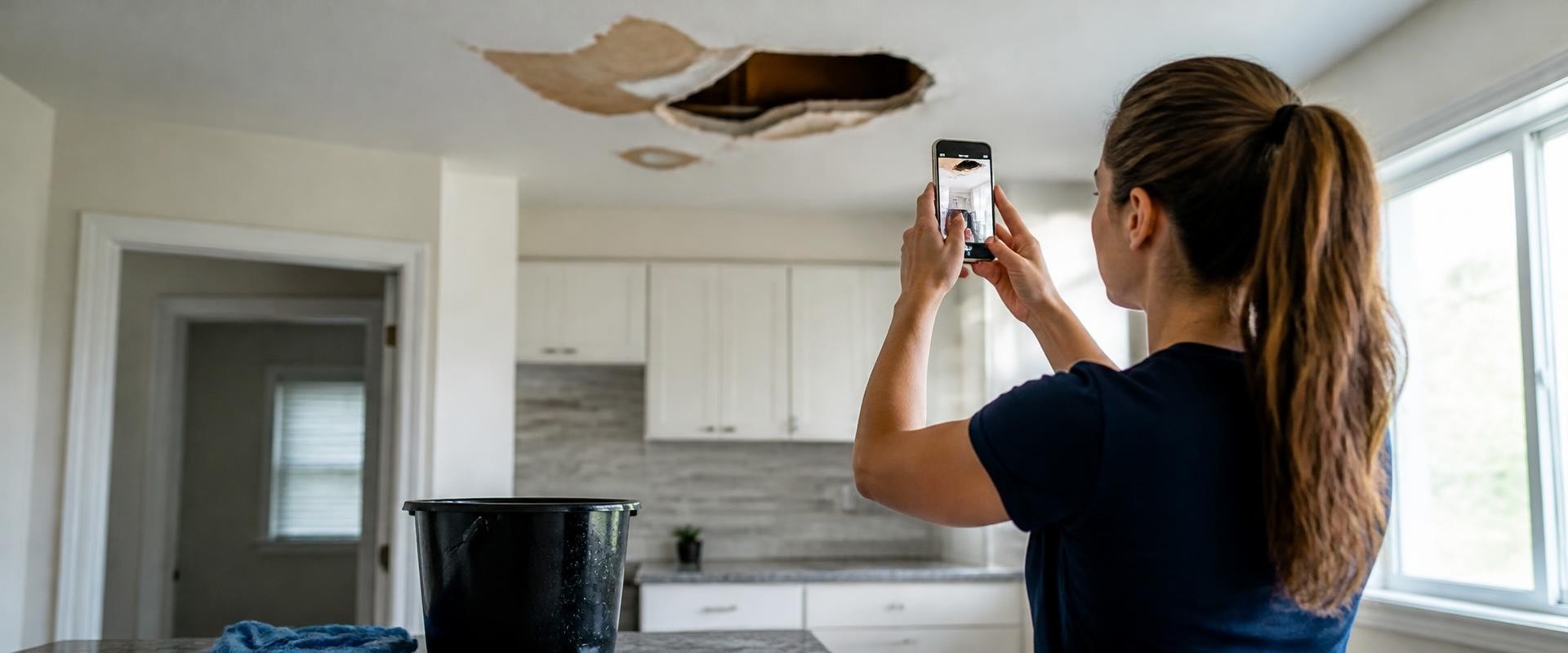
In the world of property management, effective communication and meticulous record-keeping are paramount. For landlords and property managers in San Diego, understanding the nuances of documenting repairs and issues can not only streamline operations but also enhance tenant satisfaction. The San Diego Property Management Guide serves as a vital resource for those navigating the complexities of residential property management, including the critical aspect of maintenance documentation. Documenting repairs and issues is not merely a bureaucratic task; it is an essential practice that can protect your investment and foster trust with tenants. Whether you're dealing with minor repairs or significant issues, having a clear, organized record can save time, reduce disputes, and ensure compliance with local regulations.
In this article, we will explore effective strategies for documenting repairs and issues in rental properties, emphasizing best practices that align with the unique demands of the San Diego rental market. As we delve deeper into this topic, we'll outline practical steps to create a systematic approach to documentation, ensuring that both landlords and tenants benefit from transparent communication and well-documented maintenance histories. By leveraging the insights provided by the San Diego Property Management Guide, property owners can enhance their management practices and create a more responsive living environment for their tenants. Documenting repairs and issues in rental properties is a critical aspect of property management, particularly in the vibrant market of San Diego. This practice not only helps landlords maintain their properties effectively but also serves as a protective measure against potential disputes with tenants. The San Diego Property Management Guide emphasizes the importance of thorough documentation, which can save time and money while ensuring compliance with legal responsibilities.
By having an organized record of all maintenance requests and actions taken, both landlords and tenants can navigate the complexities of property management more smoothly. One of the first considerations in documenting repairs is understanding the legal requirements for both landlords and tenants regarding maintenance documentation. In California, landlords are legally obligated to keep rental properties habitable, which includes addressing essential repairs such as plumbing, electrical failures, and HVAC issues. Proper documentation serves as proof that landlords are meeting these obligations. For instance, if a tenant reports a plumbing issue, the landlord should document the request, the response time, any work done, and follow-up communications.
This not only protects the landlord from liability but also provides tenants with reassurance that their concerns are being addressed. Common repairs that need to be documented include plumbing issues—such as leaks or clogs—and electrical failures like outages or malfunctioning outlets. Each of these examples highlights the necessity for detailed records: noting when a tenant reported the issue, how quickly it was addressed, what steps were taken to resolve it, and any costs incurred in the process. These records are essential for transparency and accountability in property management. Understanding the costs associated with repairs is also vital for effective budgeting. Landlords should maintain a budget that allocates funds for routine maintenance as well as unexpected repairs.
By keeping detailed documentation of past repairs and their costs, landlords can better forecast future expenses and set aside appropriate reserves. This proactive approach minimizes financial strain and ensures that funds are available when emergencies arise. Effective communication between landlords and tenants is key to managing repair requests smoothly. Establishing clear channels for communication can prevent misunderstandings and foster a cooperative relationship. One effective strategy is the use of maintenance logs or digital tracking tools that allow both parties to track repair requests and their status in real-time.
This transparency can greatly enhance trust and reduce frustration on both sides. It’s important for landlords to respond promptly to requests and keep tenants informed about the progress of repairs, which further strengthens this relationship. However, poorly documented repairs can lead to disputes that may escalate into larger conflicts. For example, if a tenant claims that a repair was never completed or was inadequately addressed, lack of documentation can leave landlords vulnerable to claims made by their tenants. To avoid such scenarios, it’s crucial for landlords to establish a consistent method for recording all interactions related to maintenance issues.
This includes keeping copies of emails, text messages, or notes from phone calls regarding repair requests. There may be instances when involving property management professionals becomes necessary for better oversight of maintenance documentation. If a landlord manages multiple properties or feels overwhelmed by the volume of repair requests, hiring a property management company can provide significant relief. These professionals often have established systems for documenting repairs, ensuring compliance with local regulations, and communicating effectively with tenants. They can help maintain high standards for property care while also reducing the administrative burden on landlords. In conclusion, thorough documentation of repairs and issues in rental properties is essential for successful property management in San Diego.
By adhering to legal requirements, documenting common repairs effectively, budgeting appropriately for maintenance costs, employing strong communication strategies, avoiding potential disputes through meticulous record-keeping, and knowing when to seek professional help, landlords can ensure their properties are well-maintained and compliant with all regulations. The San Diego Property Management Guide serves as an invaluable resource for navigating these responsibilities with confidence.
Understanding Legal Responsibilities
In the realm of property management, understanding legal responsibilities is crucial for landlords and tenants alike. Under California law, landlords are mandated to maintain rental properties in a habitable condition, which includes ensuring adequate plumbing, heating, and electrical systems, as well as addressing pest control and structural integrity issues. These obligations are not just recommendations; they are legal requirements that protect the health and safety of tenants.This is particularly important for landlords in San Diego, where specific regulations and local ordinances may add additional layers of responsibility. Tenants also have a critical role in this process. They are required to report any repairs or maintenance issues promptly to their landlords. This timely communication allows landlords to address problems efficiently and maintain compliance with their legal obligations. Failure to report issues may lead to disputes regarding responsibility for repairs or maintenance costs.
The San Diego Property Management Guide emphasizes the importance of this communication to foster a cooperative relationship between landlords and tenants, ultimately benefiting both parties. Moreover, landlords must keep detailed records of all communications regarding repairs and maintenance requests. This documentation can be invaluable in demonstrating compliance with legal obligations and protecting against potential disputes. In California, the law also stipulates that landlords cannot retaliate against tenants for reporting issues or exercising their rights under the law. Therefore, understanding these legal responsibilities not only aids in maintaining properties effectively but also ensures that both landlords and tenants are aware of their rights and duties.
Cost Considerations for Repairs
Understanding the financial implications of repairs is crucial for landlords and property managers.In the context of the San Diego Property Management Guide, it is essential to provide a comprehensive breakdown of typical repair costs that can arise in rental properties. These costs can vary widely based on the nature of the repair, the urgency, and the service providers involved. Common repairs may include plumbing issues, electrical work, HVAC maintenance, and general wear and tear. For instance, plumbing repairs can range from $150 for minor leaks to over $1,000 for significant issues such as pipe replacements. Electrical repairs typically fall between $100 to $500, depending on the complexity of the problem.
Regular maintenance of HVAC systems can cost approximately $75 to $200 per service visit, while unforeseen emergencies could lead to higher expenses. To manage these expenses effectively within a rental budget, landlords should consider several strategies. First, establishing a reserve fund specifically for maintenance and emergency repairs can alleviate financial pressure during unexpected situations. This fund should ideally cover 1-3 months' worth of average repair costs. Secondly, conducting regular property inspections can help identify potential issues before they escalate into costly repairs. By documenting these inspections and addressing maintenance needs proactively, landlords can save both time and money in the long run. Finally, building relationships with reliable local contractors can lead to better pricing and quicker response times when repairs are needed.
The San Diego Property Management Guide offers insights into selecting qualified service providers to ensure quality work without breaking the bank.
Managing Tenant Communication
Effective communication with tenants regarding repairs is essential for successful property management, particularly in the context of the San Diego Property Management Guide. Clear and timely communication helps to build trust between landlords and tenants, making it easier to address any issues that arise. By establishing a systematic approach to communication, property managers can ensure that tenants feel heard and valued, which can lead to improved tenant satisfaction and retention. One of the first steps in fostering good communication is to set clear expectations regarding response times for repair requests. Tenants should know how long they can expect to wait for an initial acknowledgment of their request, as well as an estimated timeline for when the repair will be completed.For example, a common practice is to acknowledge receipt of a maintenance request within 24 hours and provide an update on the status of the repair within a few days. This transparency helps tenants understand that their concerns are being taken seriously. Follow-up procedures are equally important in maintaining effective communication. After repairs have been completed, property managers should check in with tenants to ensure that the issue has been resolved to their satisfaction. This not only demonstrates a commitment to quality service but also allows for any lingering issues to be addressed promptly.
Additionally, encouraging tenants to provide feedback on their repair experience can help landlords identify areas for improvement in their maintenance processes. In conclusion, managing tenant communication effectively involves setting clear expectations for response times, providing regular updates on repair statuses, and following up after repairs are completed. By implementing these strategies, property managers can create a positive relationship with tenants, thereby enhancing overall property management practices as highlighted in the Additionally, encouraging tenants to provide feedback on their repair experience can help landlords identify areas for improvement in their maintenance processes. In conclusion, managing tenant communication effectively involves setting clear expectations for response times, providing regular updates on repair statuses, and following up after repairs are completed. By implementing these strategies, property managers can create a positive relationship with tenants, thereby enhancing overall property management practices as highlighted in the San Diego Property Management Guide.
Best Practices for Documentation
Effective documentation is crucial in property management, especially within the context of the San Diego Property Management Guide. By implementing best practices, property managers and landlords can ensure that all repairs and issues are recorded accurately, which can save time and money while maintaining compliance with legal requirements. One of the most effective techniques for documentation is the use of photographs. Taking clear, timestamped photos of repairs before, during, and after the work is completed provides visual evidence that can support claims or disputes.This is particularly important in a rental market like San Diego, where property conditions can significantly impact tenant satisfaction and legal obligations. Additionally, keeping detailed records of communications with tenants, contractors, and service providers is vital. This includes saving emails, text messages, and notes from phone calls. By maintaining a log of these interactions, property managers can track the history of issues and repairs, which can be critical in case of any disputes or misunderstandings. Utilizing digital tools can further enhance the documentation process. Property management software often includes features for tracking repairs and communications, making it easier to organize and access records.
Options like cloud storage solutions also allow for easy sharing and backup of important documents. By leveraging technology, property managers in San Diego can streamline their documentation processes and improve overall efficiency. In summary, incorporating these best practices into your documentation strategy will not only simplify the management of repairs and issues but also serve as an invaluable resource within the San Diego Property Management Guide.
When to Hire a Property Manager
In the realm of property management, particularly within the context of the San Diego Property Management Guide, understanding when to hire a property manager can significantly impact the efficiency and effectiveness of handling repairs and documentation. There are several scenarios where enlisting the expertise of a property management professional becomes advantageous. Firstly, if you own multiple rental properties or manage properties from a distance, hiring a property manager can alleviate the burden of overseeing repairs and maintenance. These professionals possess the local knowledge and resources necessary to handle issues promptly and effectively, ensuring that tenants are satisfied and properties are well-maintained. Secondly, if you lack experience in property management or legal compliance, a property manager can provide valuable guidance.They are well-versed in local laws and regulations, which is crucial in avoiding potential legal pitfalls related to repairs and documentation. This knowledge can save landlords from costly mistakes that arise from improper handling of maintenance records. Another scenario is during emergencies. If an urgent repair arises—such as plumbing issues or electrical failures—a property manager can respond quickly, coordinating repairs without delay. Their established relationships with reliable contractors ensure that issues are resolved efficiently, preventing further damage and tenant dissatisfaction. Lastly, if your time is limited due to other commitments, hiring a property manager allows you to focus on your primary responsibilities while they handle the day-to-day management tasks.
This includes keeping thorough documentation of repairs and issues, which is essential for maintaining compliance with regulations and enhancing the overall value of your rental properties. In conclusion, understanding when to hire a property manager is vital for effective property management in San Diego. By recognizing these scenarios, landlords can make informed decisions that enhance their operational efficiency and tenant satisfaction, reinforcing the insights offered in the San Diego Property Management Guide.In conclusion, this article has emphasized the critical role of effective documentation in managing rental properties within the San Diego Property Management Guide. By understanding your legal responsibilities, weighing cost considerations for repairs, and implementing best practices for documentation, you can streamline your property management processes. Clear and consistent documentation not only enhances tenant communication but also fosters better relationships between landlords and tenants. As you navigate the complexities of property management in San Diego, remember that utilizing the information provided here will contribute significantly to smoother operations.
Whether you choose to manage your property independently or decide to hire a property manager, prioritizing thorough documentation will ultimately save you time and money while ensuring compliance with local laws. We encourage all landlords and property managers to integrate these strategies into their practices as part of their overall approach to effective property management.
More Posts
- Leasing Guidelines
- Renewals and Terminations of Leases
- Handling lease violations
Navigating Lease Violations in San Diego Rental Properties

- Local Rental Laws and Regulations
- Understanding Local Laws and Regulations
- Zoning regulations and rental properties
Understanding Zoning Regulations for Rental Properties in San Diego
- Understanding Property Management
- Challenges in Property Management
- Dealing with difficult tenants
Navigating the Challenges of Difficult Tenants in San Diego

- Local Rental Laws and Regulations
- Tenant Protection Laws by State/Region
- Tenant rights under local laws